Steven F. Udvar-Hazy Center
National Air and Space Museum
April 2006 Visit
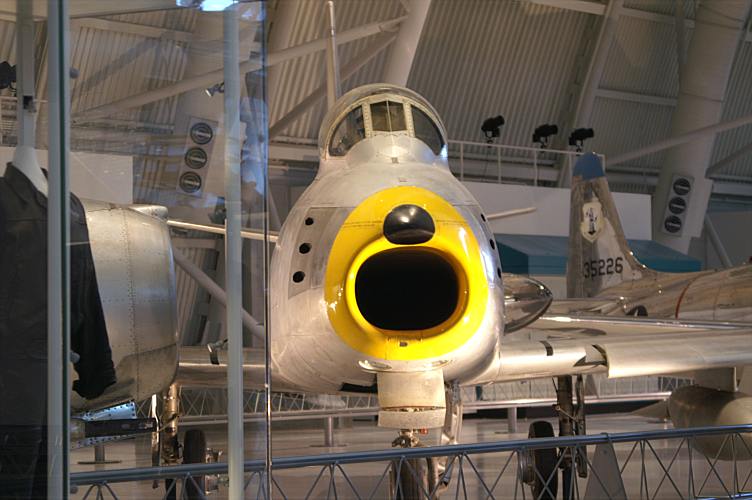 More than 6,000 F-86s were manufactured by North American's Los Angeles, Calif.,
and Columbus, Ohio, divisions. The first swept-wing airplane in the U.S. fighter
inventory, the F-86 scored consistent victories over Russian-built MiG fighters
during the Korean War, accounting for a final ratio of 10-to-1. All 39 United
Nations jet aces won their laurels in Sabres.
More than 6,000 F-86s were manufactured by North American's Los Angeles, Calif.,
and Columbus, Ohio, divisions. The first swept-wing airplane in the U.S. fighter
inventory, the F-86 scored consistent victories over Russian-built MiG fighters
during the Korean War, accounting for a final ratio of 10-to-1. All 39 United
Nations jet aces won their laurels in Sabres.
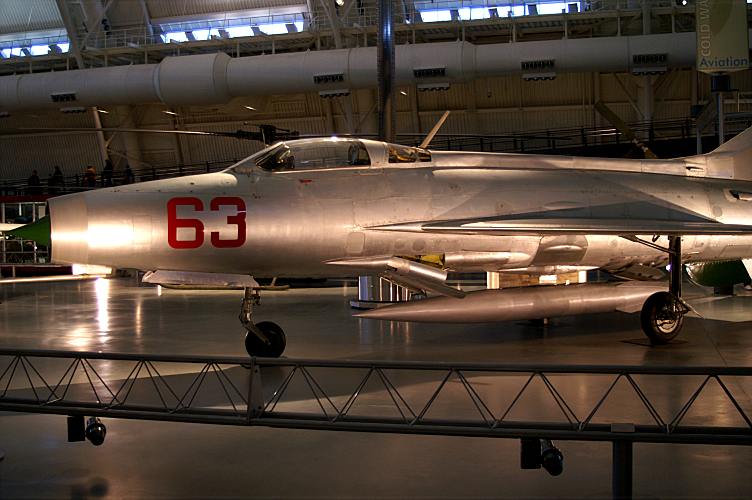
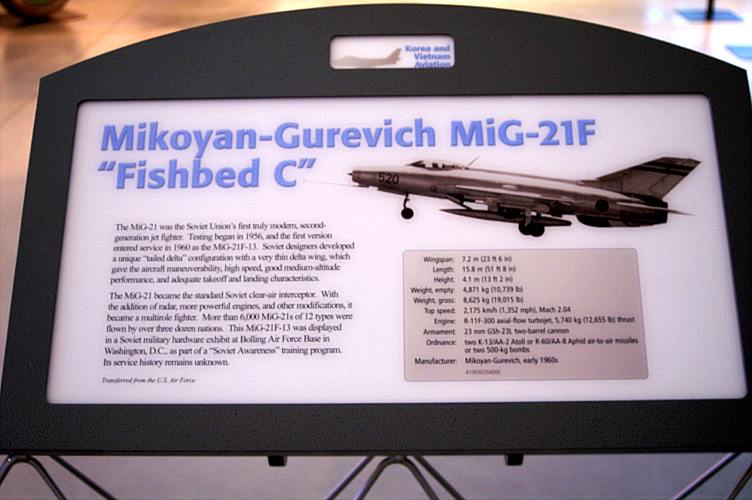 The MiG-21 was Russia's first truly modern
second-generation jet fighter. The Russian Central Aerohydrodynamic Institute (TsAGI)
developed a unique "tailed delta" configuration with a very thin delta
wing. This wing gave the MiG-21 maneuverability, high speed, good
medium-altitude performance and adequate takeoff and landing characteristics.
Testing began in 1956, and the first version entered service in 1960 as the
MiG-21F-13. It was equipped with the K-13 infrared homing air-to-air missile,
known in the West as the AA-2 ATOLL and purportedly a copy of the U.S.
"Sidewinder" missile obtained from China following air-to-air clashes
with Taiwan over the China Sea.
The MiG-21 was Russia's first truly modern
second-generation jet fighter. The Russian Central Aerohydrodynamic Institute (TsAGI)
developed a unique "tailed delta" configuration with a very thin delta
wing. This wing gave the MiG-21 maneuverability, high speed, good
medium-altitude performance and adequate takeoff and landing characteristics.
Testing began in 1956, and the first version entered service in 1960 as the
MiG-21F-13. It was equipped with the K-13 infrared homing air-to-air missile,
known in the West as the AA-2 ATOLL and purportedly a copy of the U.S.
"Sidewinder" missile obtained from China following air-to-air clashes
with Taiwan over the China Sea.
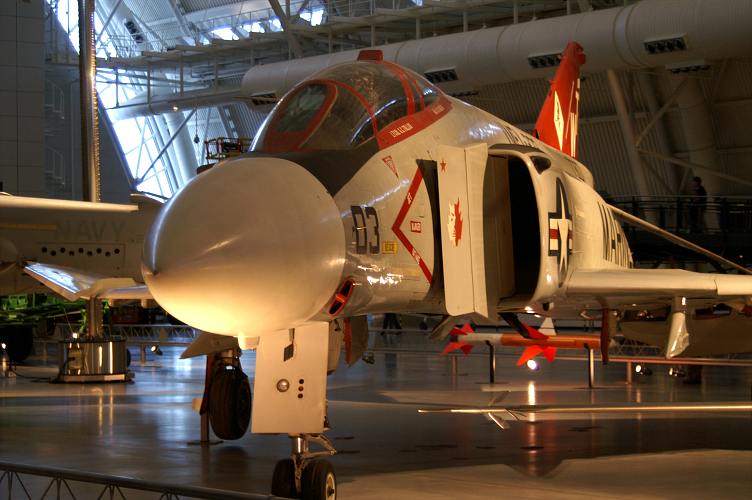 The McDonnell
Douglas F-4 Phantom II (Model 98) is a two-place (tandem), supersonic,
long-range, all-weather fighter-bomber. An unmistakable icon of the Cold
War and the first modern air
superiority fighter, the Phantom entered service with US military in the
early 1960s and remains on active duty in several countries to this day. Shortly
after its debut, the aircraft broke 16 world records for speed and altitude. The
Phantom expanded its original air defense role to include tactical
reconnaissance and ground attack with conventional and nuclear munitions.
The McDonnell
Douglas F-4 Phantom II (Model 98) is a two-place (tandem), supersonic,
long-range, all-weather fighter-bomber. An unmistakable icon of the Cold
War and the first modern air
superiority fighter, the Phantom entered service with US military in the
early 1960s and remains on active duty in several countries to this day. Shortly
after its debut, the aircraft broke 16 world records for speed and altitude. The
Phantom expanded its original air defense role to include tactical
reconnaissance and ground attack with conventional and nuclear munitions.
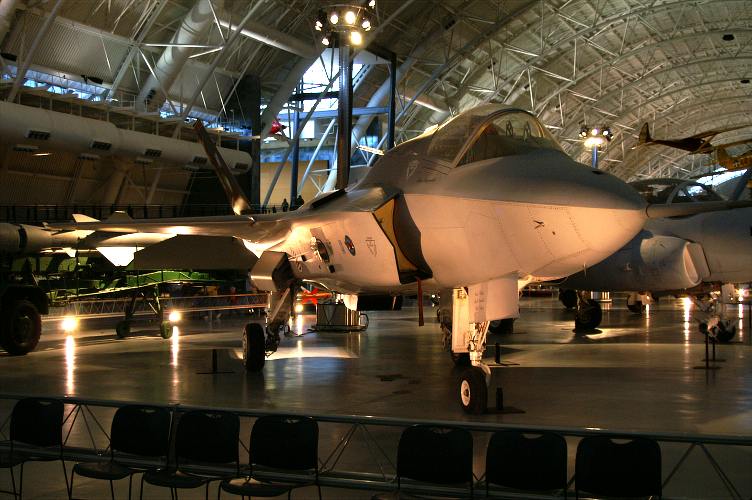
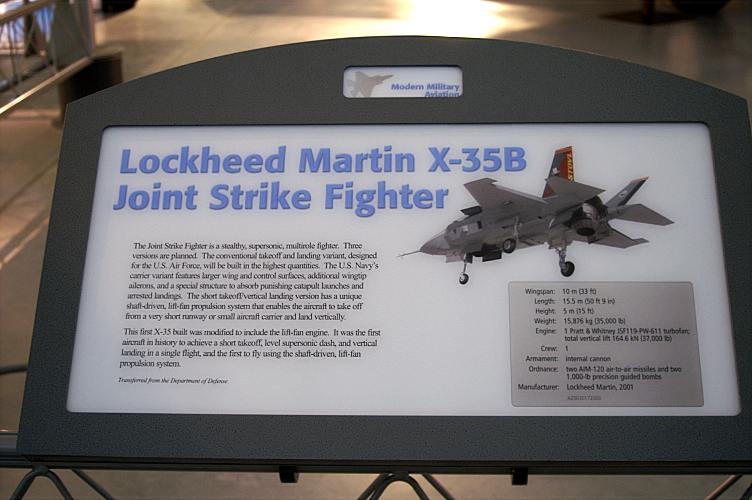 F-35 Joint Strike Fighter (JSF) is a military
fighter aircraft designed by the USA and the United Kingdom. It is intended to
replace the current generation of strike fighters, particularly the vertical
take off and landing Harrier jump jets : the AV-8 Harrier II (US), Harrier GR7/9
(UK), and the Sea Harrier (UK), along with the conventional A-10 Thunderbolt II,
F/A-18 Hornet and the F-16 Fighting Falcon. It is set to be a multi-role strike
fighter currently in production with Lockheed Martin, along with partners
Northrop Grumman and BAE Systems.
F-35 Joint Strike Fighter (JSF) is a military
fighter aircraft designed by the USA and the United Kingdom. It is intended to
replace the current generation of strike fighters, particularly the vertical
take off and landing Harrier jump jets : the AV-8 Harrier II (US), Harrier GR7/9
(UK), and the Sea Harrier (UK), along with the conventional A-10 Thunderbolt II,
F/A-18 Hornet and the F-16 Fighting Falcon. It is set to be a multi-role strike
fighter currently in production with Lockheed Martin, along with partners
Northrop Grumman and BAE Systems.
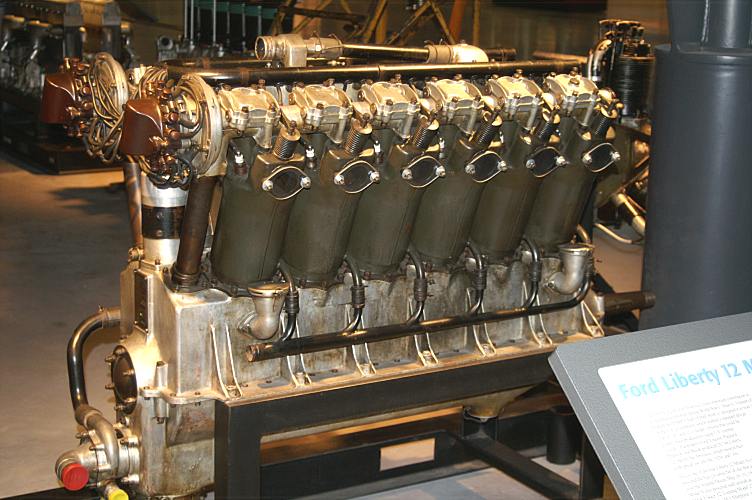
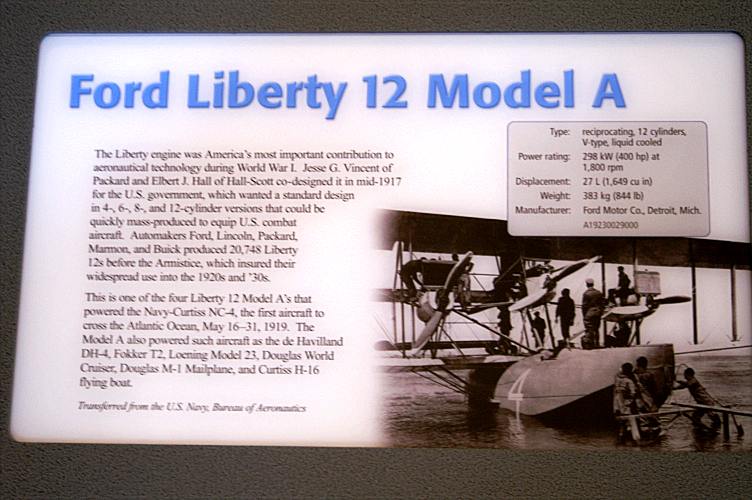 The Liberty 400-horsepower (298-kilowatt) V-12, air-cooled engine, on the other
hand, was one of the war's most powerful engines and one of the workhorses of
the war. Designed to be mass-produced with interchangeable parts, the Liberty
became the standard wartime aircraft engine, produced by Packard, Lincoln, Ford,
General Motors (Cadillac and Buick), Nordyke, and Marmon. It was used most often
on the DH-4,
the only U.S.-made airplane to go into combat on the Western Front. More than
13,000 engines came off the assembly line before the Armistice, and more than
20,000 were built by the time wartime production ended early in 1919.
The Liberty 400-horsepower (298-kilowatt) V-12, air-cooled engine, on the other
hand, was one of the war's most powerful engines and one of the workhorses of
the war. Designed to be mass-produced with interchangeable parts, the Liberty
became the standard wartime aircraft engine, produced by Packard, Lincoln, Ford,
General Motors (Cadillac and Buick), Nordyke, and Marmon. It was used most often
on the DH-4,
the only U.S.-made airplane to go into combat on the Western Front. More than
13,000 engines came off the assembly line before the Armistice, and more than
20,000 were built by the time wartime production ended early in 1919.
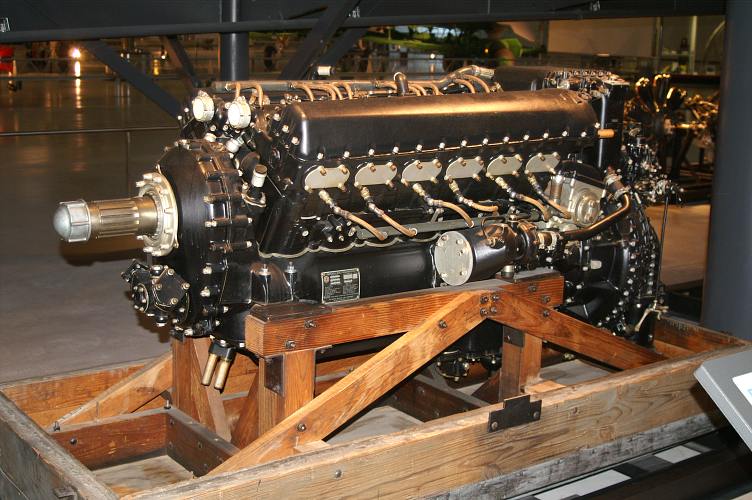
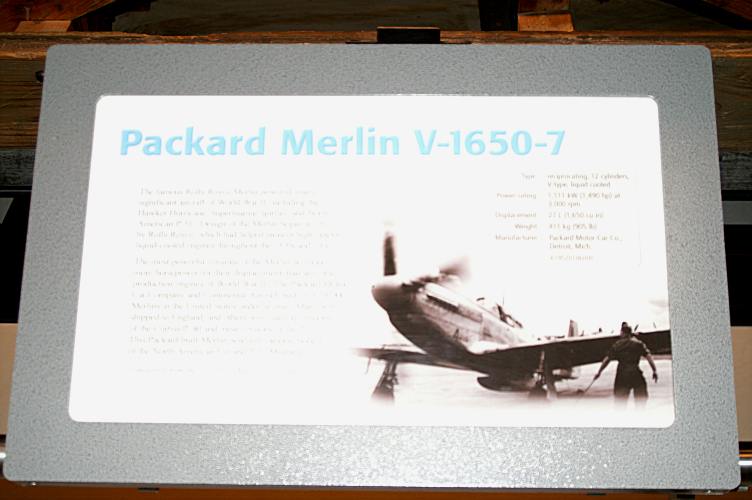 http://en.wikipedia.org/wiki/Rolls-Royce_Merlin
for more information about the Merlin engine.
http://en.wikipedia.org/wiki/Rolls-Royce_Merlin
for more information about the Merlin engine.
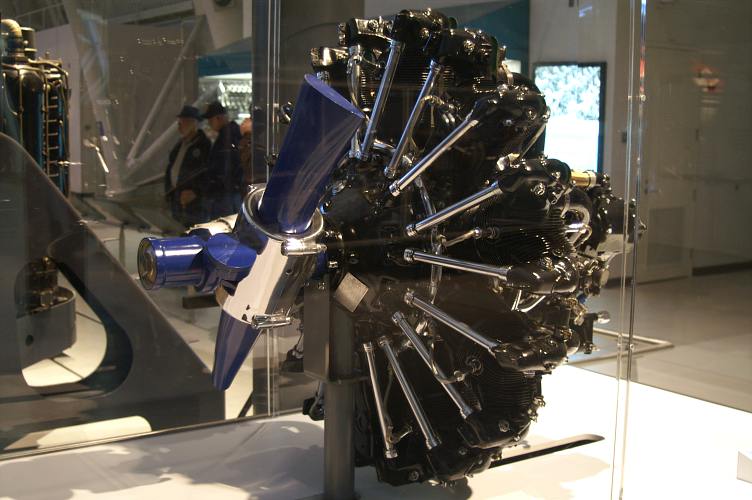
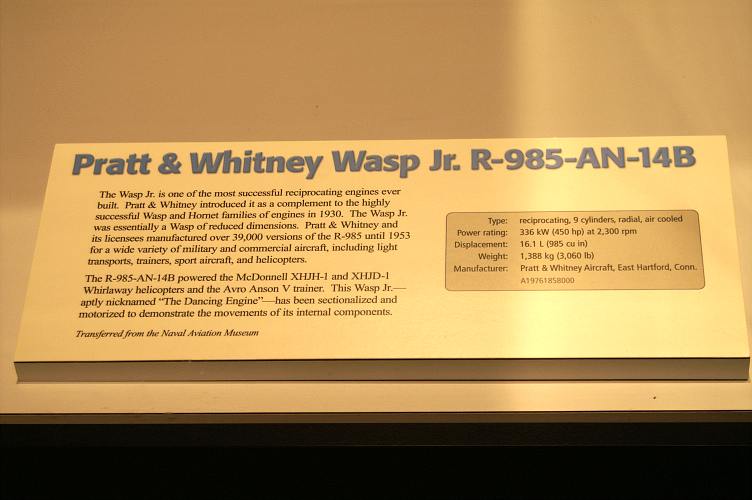 A smaller, nine-cylinder reciprocating engine designed for light transports,
trainers, sports aircraft and helicopters. Initial rating was 300 horsepower,
advanced models up to 600.
A smaller, nine-cylinder reciprocating engine designed for light transports,
trainers, sports aircraft and helicopters. Initial rating was 300 horsepower,
advanced models up to 600.
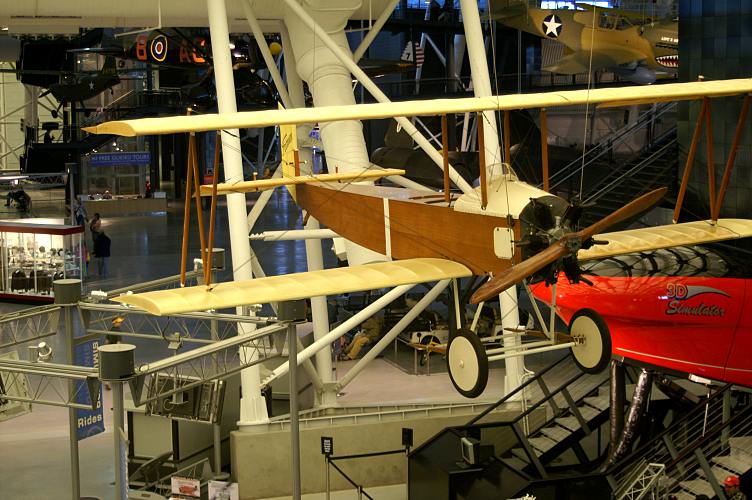
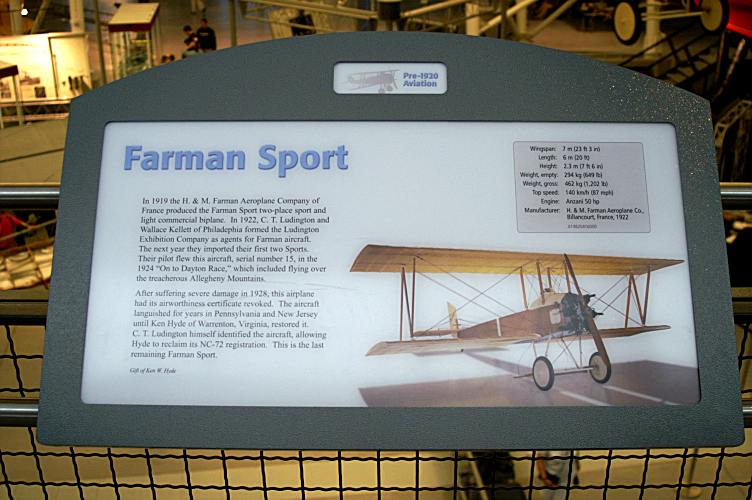 http://www.nasm.si.edu/research/aero/aircraft/farman.htm
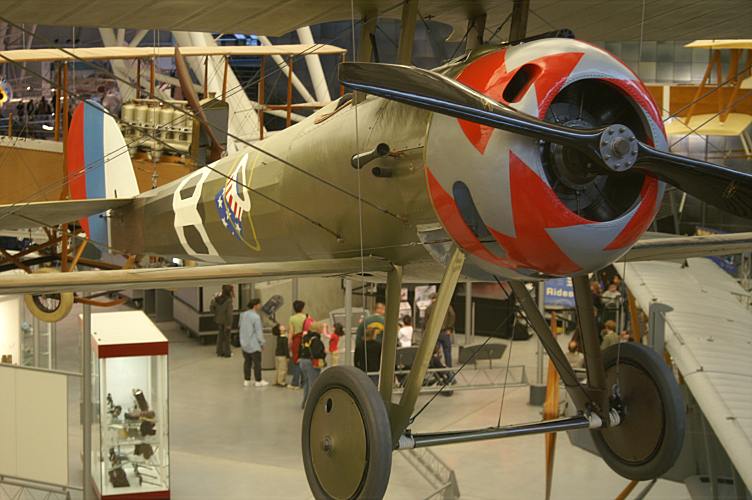
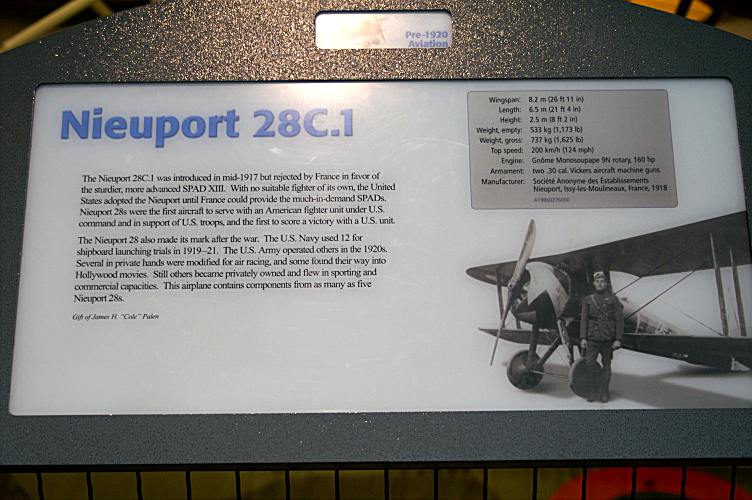 http://www.nasm.si.edu/research/aero/aircraft/nieuport.htm
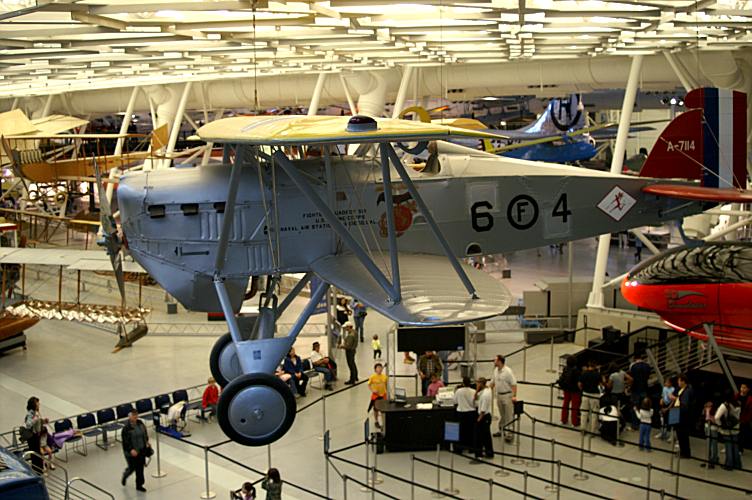
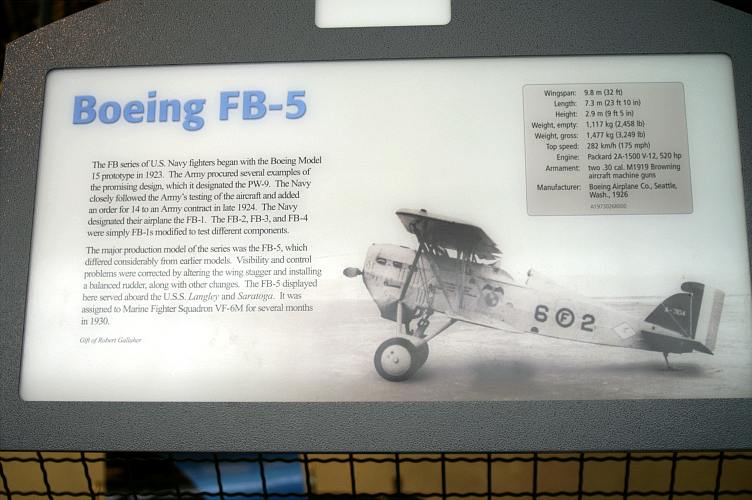 http://www.nasm.si.edu/research/aero/aircraft/boeing_fb5.htm
Information about the different aircraft is taken from a variety of web sources.

